Military bands are an integral part of armed forces around the world. With their brass instruments, precise movements, and rich history, they’ve become synonymous with military tradition and ceremonial events. But what exactly is a military band, and what role do they play today?
In this article, we’ll explore everything there is to know about military bands, from their historical roots to their importance in modern-day ceremonies.
Whether you’ve heard them perform at a royal event or are just curious about their role, this guide will provide you with all the details you need.
What Is a Military Band?
At its core, a military band is a group of musicians that serve a specific function within a military organization. They typically consist of wind, brass, and percussion instruments. Unlike civilian bands, military bands often play a ceremonial role, but they also have historical significance, tracing back to a time when music was used to communicate commands during battle.
Military bands are unique because they blend the discipline and structure of military life with the creativity and artistry of musical performance. While they do perform at concerts and public events, their primary purpose is to support military functions, both in peacetime and in conflict.
Key Elements of a Military Band:
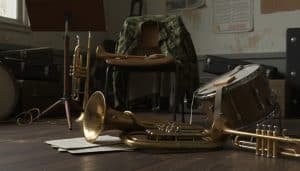
- Instruments: Military bands traditionally use brass instruments (like trumpets and trombones), woodwinds (such as clarinets), and percussion instruments (like drums). These instruments allow them to produce loud, commanding sounds, which is why they were historically used to direct troops in battle.
- Musicianship: Members of a military band are not just musicians—they are soldiers. This means that they undergo the same rigorous training as other military personnel, including physical fitness, discipline, and teamwork.
A Brief History of Military Bands
Military bands have a long and fascinating history. Their origins can be traced back to ancient civilizations, where music was often used as a way to communicate over long distances. For example, drums were used by ancient armies to signal movements and commands to soldiers during battle.
From the Battlefield to Ceremonial Duties
In the 17th and 18th centuries, military bands began to take on a more ceremonial role. As armies grew more structured, the need for musical communication on the battlefield decreased. However, military bands continued to serve an important function by playing at parades, ceremonies, and other public events.
By the 19th century, military bands were performing more complex music, and their role shifted to one of boosting morale and maintaining military traditions. They became a symbol of national pride and were often used in public events to promote patriotism.
Notable Moments in UK Military Band History
- The Royal Marines Band Service: One of the most famous military bands in the UK, the Royal Marines Band Service, was established in 1903. It plays a key role in royal events, including state funerals and coronations.
- Trooping the Colour: This annual event, which celebrates the official birthday of the British monarch, prominently features military bands. The grand spectacle showcases the precision, discipline, and musical talent of these ensembles.
Roles and Functions of Military Bands
Military bands have evolved significantly over time, and today they serve several key roles, both within the military and in public life. Their functions can be broken down into three main areas: ceremonial duties, morale-boosting, and public performances.
1. Ceremonial Duties
Military bands are best known for their role in military ceremonies. They are a staple of events like parades, state visits, and national holidays. The sight of a military band marching in perfect formation while playing traditional music is a powerful representation of national pride and military discipline.
In the UK, military bands are often seen at:
- State Events: When foreign dignitaries visit, military bands often provide a ceremonial welcome.
- Military Parades: Events like Remembrance Sunday feature military bands as they play moving renditions of patriotic songs to honor the armed forces.
- Royal Ceremonies: From weddings to state funerals, military bands are a key part of the pomp and circumstance surrounding the British royal family.
2. Boosting Morale
Military bands play an essential role in boosting the morale of soldiers. Throughout history, music has been used to lift spirits, particularly during times of war. During both World Wars, military bands performed for troops, providing a much-needed sense of comfort and familiarity in the midst of conflict.
In modern times, military bands continue this tradition by performing for soldiers stationed overseas. Their music helps maintain a sense of camaraderie and reminds soldiers of the support they have back home.
3. Public Engagement
In addition to their ceremonial roles, military bands are increasingly involved in public concerts and performances. These events give civilians a chance to see and hear the talent of military musicians up close. It also helps strengthen the connection between the military and the general public.
Concerts featuring military bands are often held in prestigious venues, and they showcase a wide variety of music, from classical compositions to popular songs.
Structure of a Military Band
The structure of a military band is similar to that of a traditional orchestra, but with some key differences that reflect their military roots.
Key Components of a Military Band:
- Band Leader (or Conductor): Just like in a civilian orchestra, a military band has a conductor who leads the ensemble and ensures that all musicians play in sync.
- Sections: The band is typically divided into sections, with brass, woodwinds, and percussion forming the core of the group.
- Musician-Soldiers: Unlike civilian musicians, members of a military band are also trained soldiers. This means that they must balance their musical duties with military responsibilities.
Instruments in a Military Band
Military bands typically use instruments that can project sound over long distances, which is why brass and percussion are so prominent. The most common instruments include:
- Brass: Trumpets, French horns, trombones, tubas.
- Woodwinds: Clarinets, flutes, saxophones.
- Percussion: Snare drums, bass drums, cymbals.
Military Bands in the UK
The UK is home to some of the most famous military bands in the world. These bands play a significant role in British culture and are often seen at royal events, military parades, and public concerts.
Notable UK Military Bands:
- The Band of the Household Cavalry: This band is associated with the British Army’s Household Division and plays at key royal events.
- The Central Band of the Royal Air Force: Known for its precision and musical excellence, this band represents the Royal Air Force in public ceremonies.
- The Royal Marines Band Service: One of the oldest and most respected military bands in the UK, the Royal Marines Band is known for its professionalism and is a key part of the UK’s military tradition.
Role in Royal Events
Military bands in the UK are an integral part of royal ceremonies, such as the Changing of the Guard at Buckingham Palace or the Queen’s Platinum Jubilee. Their performances add a sense of grandeur and tradition to these events, and they are an essential part of the pageantry that surrounds the British monarchy.
Military Band Uniforms and Traditions
Military bands are known not only for their music but also for their distinctive uniforms and traditions. The uniforms worn by military band members are often elaborate, reflecting the history and prestige of the regiment they represent.
Uniforms:
- Traditional Design: Military band uniforms often feature bright colors, gold trim, and ceremonial headdresses, symbolizing the history of the unit.
- Symbolism: Each element of the uniform, from the color to the insignia, has specific meaning and represents the history, values, and achievements of the regiment.
Traditions:
- Discipline and Precision: Military bands are renowned for their discipline. Whether it’s their flawless musical performance or their ability to march in perfect unison, military band members are held to the highest standards of military discipline.
- Customs: Military bands often follow long-standing customs during performances, such as specific movements and formations during marches.
Military Bands in Popular Culture
Military bands have made their way into popular culture, often being featured in films, television, and major events. Whether it’s the Royal Edinburgh Military Tattoo or a ceremonial march during a state visit, military bands are a familiar sight to many.
Examples in Popular Culture:
- Royal Edinburgh Military Tattoo: This world-famous event, held annually in Scotland, features military bands from around the world and showcases their talent and precision.
- Movies and TV: Military bands are often portrayed in films and TV series that depict historical events or military life.
Conclusion
Military bands are much more than just musicians – they are an essential part of military life, representing tradition, discipline, and national pride. From their ceremonial roles in royal events to their morale-boosting performances for soldiers, military bands continue to play an important role both within the armed forces and in public life.
If you’ve never experienced a military band performance, attending a parade or concert is a great way to see their talent and precision firsthand. Not only will you enjoy a spectacular musical performance, but you’ll also be witnessing a piece of living history.